ULTIMATE Life Coaching
Enhancing Resilience: how to bounce back from change
Why some people seem to whizz through life unscathed, a quick quiz, and six ways to bounce back.
ⓘ Photo
Image courtesy of © Jor Eg / UnsplashWhy do some people seem to whizz through life unscathed while others see only its blacker side? Almost nobody escapes life’s challenges. The difference is resilience, and the good news is that it can be learned.
Athens has come through wars, occupations, earthquakes and hard times, and the Acropolis still stands above it all, a daily reminder that damage need not be the end of the story.
In Japan there is an old craft called kintsugi, in which broken pottery is mended with lacquer and gold, so that the cracks become the most beautiful part of the bowl. Mended is not the same as ruined.
Why do some people seem to whizz through life unscathed, while others feel weighed down, and others still spend their lives looking for greener grass? The truth is that almost no one escapes unscathed: money worries, job insecurity, family rows and broken hearts come to most of us.
What differs is how we meet them. Resilience isn’t toughness, and it isn’t pretending all is well. Resilient people feel sadness and fear like anyone else. They simply bend rather than break, like a willow in a gale, and find their balance again faster.
The Parthenon has been a temple, a church, a mosque and a gunpowder store; in 1687 an explosion tore through its middle during a siege, and restorers have been working on it patiently for decades. Imagine a florist whose shop has closed after a difficult few years, looking up at it from her balcony every evening. It lost its roof and half its walls, and people still cross the world to see it.
A stall at the weekly market might be her own next chapter, with regulars of its own.
She might take the next step down at the foot of the rock, in the Acropolis Museum. The marbles there stand in light-filled galleries with the temple itself in view, and underfoot, through the glass floor, lies an excavated ancient neighbourhood. Damaged pieces sit beside careful restorations, and nobody looks at them and sees failure.
Walking those galleries, she could start a list in her notebook: what survived the closure of her shop, the regulars who still ask after her, the suppliers who trust her, her eye for colour. Rebuilding starts with an honest inventory.
Check your own resilience
For each pair, which sounds more like you? (a) Life should be straightforward and predictable, or (b) life is full of variety and change. (a) Life is punishing, or (b) life is usually rewarding. (a) Change is a mystery, or (b) change is a process I can manage. (a) Change is to be avoided, or (b) change is an opportunity.
Mostly (b)? You already have a strong sense of your own resilience. Mostly (a)? Don’t worry. Read on.
Six ways to build it
1. Check your life script. “Things never work out for me” and “I always find a way” lead to very different places. Rewrite the story if it holds you back.
2. Gather your people. Nobody bounces back alone; ask for help when you need it.
3. Split what you can control from what you can’t, and put your energy into the first list.
Resilient people face no fewer challenges. They simply find their balance again faster.
4. Remember the hard times you have already come through. You survived every one.
5. Look after the basics: sleep, food, fresh air, movement.
6. Rediscover your enthusiasm for life: whatever makes you laugh, lose yourself or feel grateful.
Three good things
One of the gentlest and best-loved habits for building resilience is also one of the simplest: each evening, write down three things that went well, however small. It trains the eye to notice the good already there, like a crocus in the snow.
If stress is overwhelming you, or you can’t see a way through, please talk to your doctor or a counsellor. That is resilience too.
Try this today
1. Tonight, before sleep, write down three good things from today: a kind word, a good cup of tea, a moment of sunshine.
2. Write one hard time you have already come through, and one thing that helped you through it.
3. Send a short message to one of “your people”, just to say hello.
A question to sit with
What has life already taught you that you could only have learned the hard way?
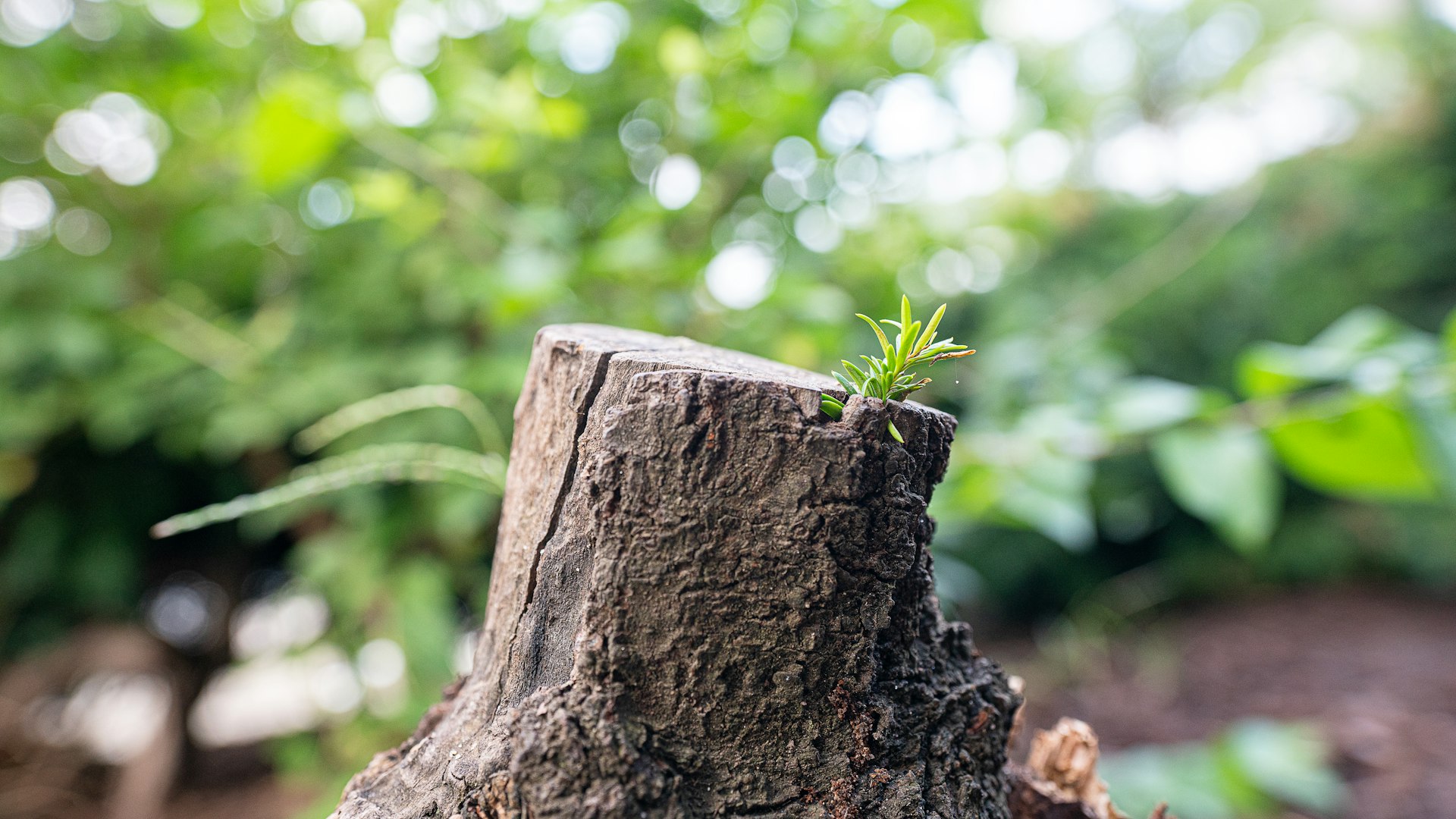
Look at a tree stump in spring and you will often see a green shoot rising from the old wood. Nobody told it the tree was finished. Life has a way of finding the light again, and so, dear friend, do you.
Grieve what has been lost, then look at what is still standing. Build from there, with help. There is often more left than you think.
More in depth
 The back storyAthens CuisineSouvlaki, koulouri, filo pies, ladera, moussaka, market soups, new kitchens and Greek coffee.
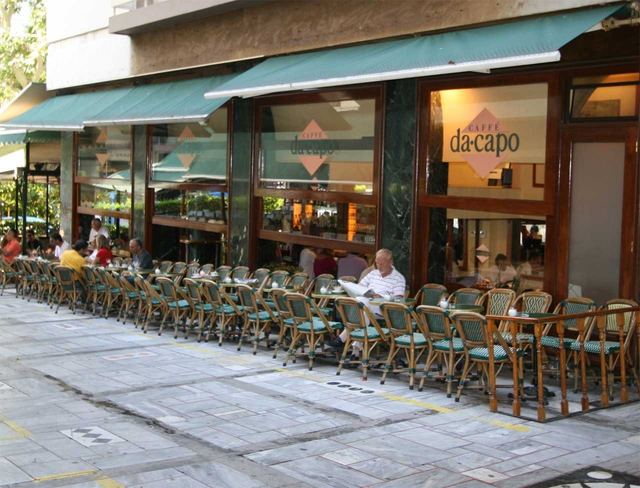 The back storyBriki, frappé and the long sit: Athens and its cafés, the back storyFrom the 1830s kafeneio to the freddo: how Athens learnt to make one coffee last all morning.
 The back storyOuzo, rooftops and a floodlit rock: Athens after dark, the back storyFrom Plaka’s old distillery to the rooftops under the Acropolis: how Athens learnt to drink high.