The back story
Wild Athens: Red Deer, Pine Hills and the Marathon Wetland
Red deer on the mountain, pine hills and the Marathon wetland: wild Athens.

Photo Credit
Image courtesy of © Kanenaszero · CC BY-SA 4.0 via Wikimedia CommonsThe natural side of Athens, from the red deer and fir forests of Parnitha National Park to the pine hills of Lycabettus and Philopappos, the National Garden and the Schinias–Marathon wetland on the coast, with a directory of the parks in our guide.
Athens is a city of marble and concrete, but it is ringed by mountains and the sea, and its wild side is closer than most visitors imagine. North of the city, Mount Parnitha is a national park where red deer live in the fir forests; in the centre, the pine-covered hills of Lycabettus and Philopappos rise above the rooftops; and on the coast at Marathon, a wetland draws migrating birds.
This is a short, honest guide to the natural side of Athens. Go early in the morning, especially in summer, when the heat comes quickly; take water, a hat and good shoes.
Mount Parnitha
Parnitha, the highest mountain around Athens, has been a national park since 1961: fir forests, gorges and rocky slopes crossed by waymarked trails, with mountain refuges for a coffee or a night. Its botanists have recorded more than a thousand kinds of plant, many of them found only in Greece.

Photo Credit
Image courtesy of © Ian gkoutas · CC BY-SA 4.0 via Wikimedia CommonsAbove all, Parnitha is home to red deer, which graze its clearings and roadsides in the early morning and at dusk. Watch them quietly from a distance: their numbers have fallen in recent years, and they need the space.
The city hills and the coast
In the centre, Lycabettus and Philopappos are pine-covered hills where the birdsong carries over the traffic, and the National Garden beside Syntagma, once the royal garden, is a shaded green heart of palms and old trees, where you may well spot bright green parakeets on the paths around the Zappeion.
North-east of the city, the Schinias–Marathon National Park, created in 2000 and part of Europe’s Natura 2000 network, protects a coastal wetland, pine forest and beach, a stopping place for migrating birds.

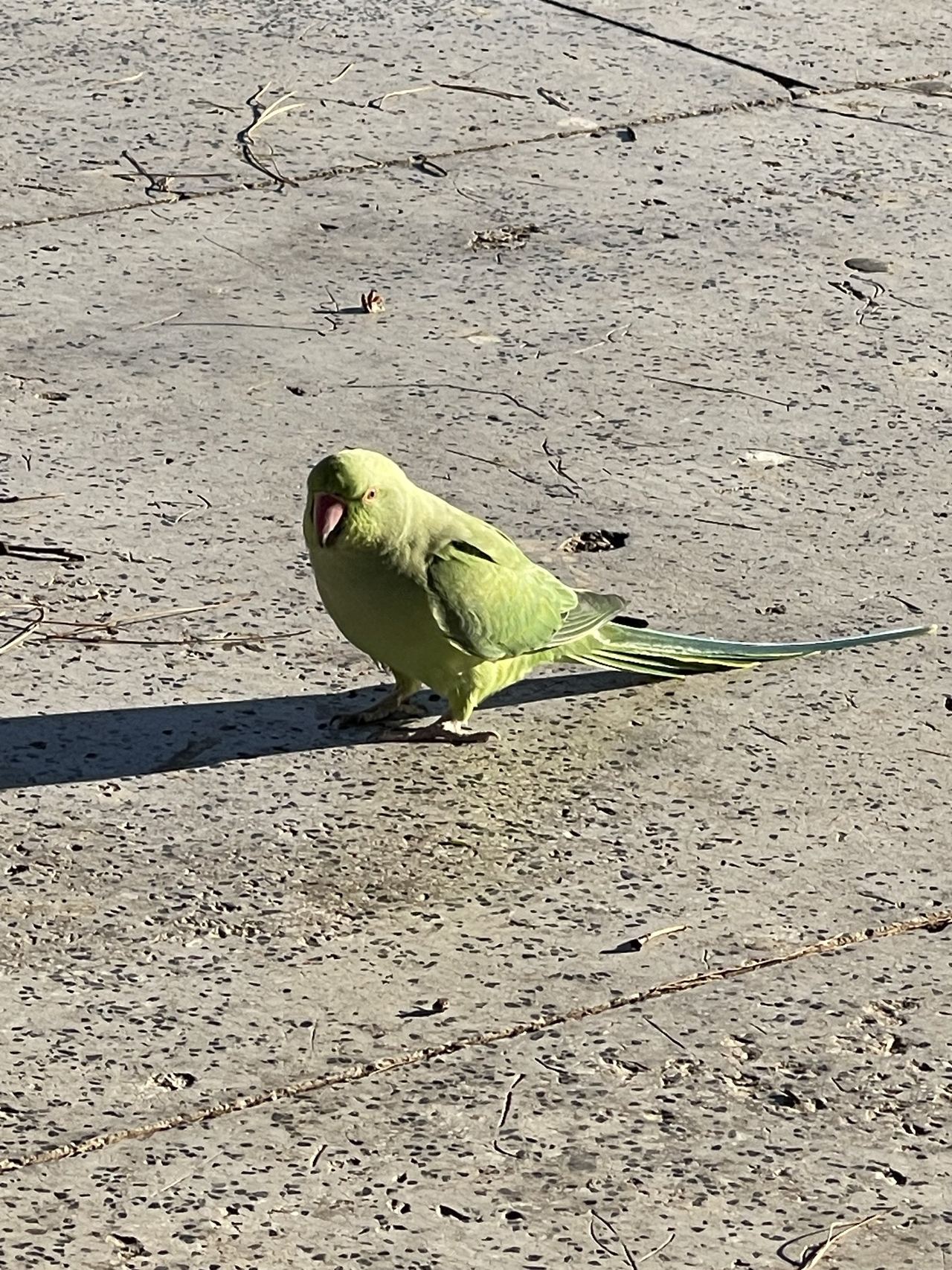
Photo Credit
Image courtesy of © ULTIMATE International MediaFeature: the red deer of Parnitha
Mount Parnitha, a short drive from the city, is the place to see red deer near Athens. The herd has suffered in recent years from fires and other pressures, and its numbers have fallen; each sighting is a privilege. Stay in your car or on the trail, never feed the deer, and drive slowly on the mountain roads at dawn and dusk.
An hour from Syntagma, red deer graze the slopes of Mount Parnitha.
Did you know? Parnitha was declared a national park in 1961, and the mountain’s flora runs to more than a thousand kinds of plant.
Our advice
Our advice: drive or take a taxi up Mount Parnitha early in the morning, walk a waymarked trail from one of the refuges, and keep your distance from the deer; never feed them. Climb Lycabettus or Philopappos for the sunset, and visit Schinias in spring or autumn for the migrating birds. In summer, check the fire-risk notices, as forests may be closed on high-risk days.
Why it's on our list
- Mount Parnitha
- The city hills and the coast
- Feature: the red deer of Parnitha
- Our advice
Location
The map comes from Google Maps, which sets its own cookies once it loads.
More in depth
 One of Europe’s largest regenerationsThe Ellinikon: a new city on the old airportA new coastal district on the old airport site, with a vast park and the Riviera Tower.
 How it worksIsland hopping from PiraeusFerries and flights from Athens to the Cyclades, and how to combine islands in one trip.
 11 islands in 34 daysThe ultimate Cyclades island hopEleven Cyclades in 34 days, by ferry from Piraeus: our day-by-day route.