Objects of Desire
Gears from the sea: the Antikythera Mechanism and its working twins
A shipwreck’s bronze gearwork, its working replicas off Akadimias and a dome full of stars.
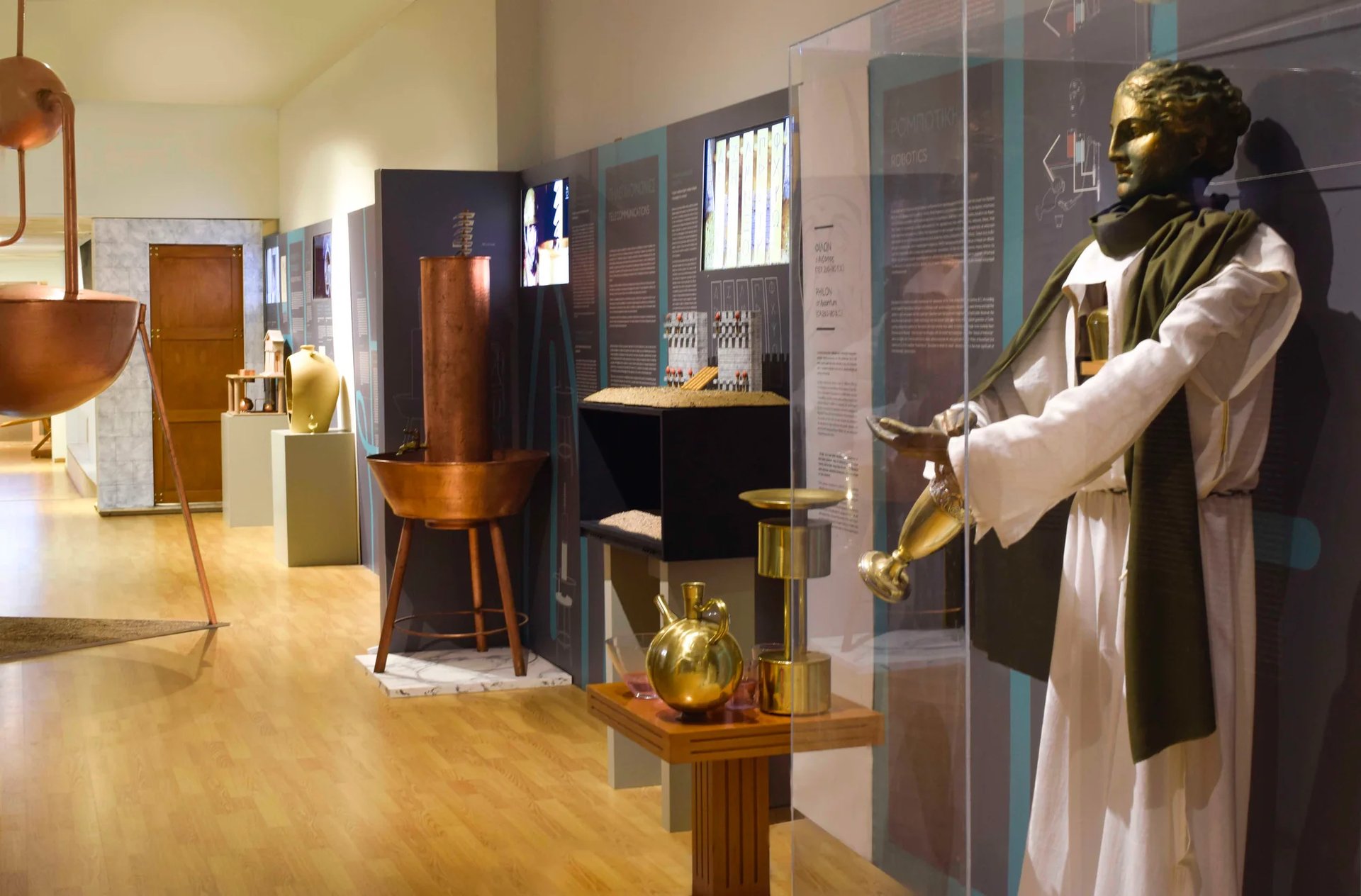
Photo Credit
Image courtesy of © the Kotsanas MuseumLong before batteries, someone in the Hellenistic world built a box of bronze gears to predict eclipses. Why should anyone who owns a smartphone care? Because the National Archaeological Museum calls it the most significant scientific instrument of antiquity. Here is where to see the original, its working reconstructions and the city’s best rooms for gadgets of the sky, checked against official pages in November 2026.
Found by sponge divers
The ship sank off Antikythera sometime between 75 and 50 BC: a freighter of an estimated 300 tons, probably bound for Italy. Its recovery began in 1900–1901 under the Greek Archaeological Service, with sponge divers from Symi and the Greek Royal Navy, and resumed in 1976 with Jacques-Yves Cousteau’s Calypso. The museum counts it as the beginning of underwater archaeology in Greece.
Among bronze statues, gold jewellery and glass came the Mechanism: toothed gear wheels, axes, dials and pointers in bronze, once held in a wooden case. The museum dates it to the 2nd century BC and links its technology to the successors of Archimedes and the school of Poseidonios on Rhodes. It worked as a calendar and a means of predicting eclipses.
Today it sits in the Collection of Metalwork, in Room 38 of the National Archaeological Museum, with the other finds from the wreck. It is a humbling thing to stand over: the most significant scientific instrument of antiquity, by the museum’s own account, and it spent the better part of two thousand years on the seabed before anyone thought to count its teeth.
The metalwork collection fills Rooms 36 to 39 in the north-eastern corner of the museum, 547.5 square metres of bronze, iron and lead, and it begins with a room on how bronzes were made. Walk it in order and the Mechanism arrives as the climax of a long argument about what ancient hands could do with metal.
Replicas that move
The original stays behind glass, so for moving parts walk to Pindarou Street, just off Akadimias. The Kotsanas Museum of Ancient Greek Technology shows more than 100 fully working reconstructions, from Philo’s robot maid and the first cinematic devices to early telecommunication systems and the Antikythera Mechanism itself, built from ancient texts, archaeological evidence and experiment.
It spent the better part of two thousand years on the seabed before anyone thought to count its teeth.
The same building keeps 45 working reconstructions of ancient musical instruments and toys, and you can hear the Seikilos epitaph, which the museum calls the oldest known complete musical composition. Few things make a teenager put down a phone faster than an ancient robot maid doing her job.
A dome full of stars
On Syngrou Avenue, the Eugenides Foundation’s planetarium has been in operation since 1966; its New Digital Planetarium, open since November 2003, seats 278 beneath a domed screen 24.5 metres across. On Piraeus Street, Hellenic Cosmos runs the Tholos, a virtual-reality theatre with a 360° screen, where one current show rebuilds the Acropolis of the 5th century BC in its original colours.
Other Tholos productions fly audiences through the Sanctuary of Delphi and Hagia Sophia, or back to the flying dinosaurs. The Foundation of the Hellenic World describes itself as the first organisation to use new technologies and virtual reality to promote culture, and the dome makes the case better than any brochure could.
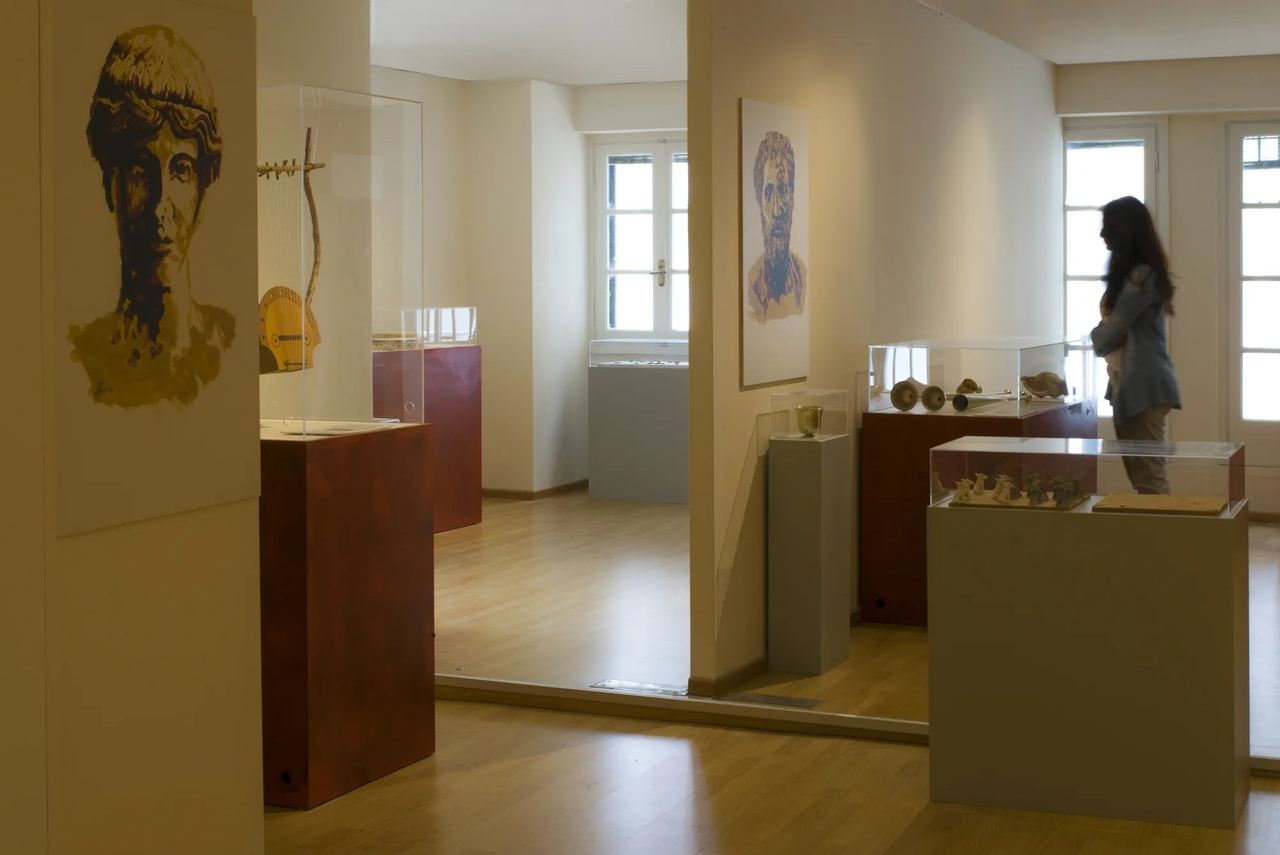
Photo Credit
Image courtesy of © the Kotsanas MuseumFor the gadgets in your own pocket, our Tech list compares this year’s phones, earbuds and laptops, and keeps a kit list for the trip. Our advice: see the original Mechanism first and the working copy second, so you know what the gears are doing, and check each museum’s own site for winter opening hours.
Why it's on our list
- Found by sponge divers
- Replicas that move
- A dome full of stars
Location
The map comes from Google Maps, which sets its own cookies once it loads.
More in depth
 Objects of DesireA hotel reborn, a tower that waited: the new architecture of AthensThe 1963 Hilton reborn as The Ilisian, Piraeus Tower, Renzo Piano’s hill and a museum garden.
 Objects of DesireThe Daiquiri, by the book: three ingredients and the Athens bars that respect themThe IBA’s three-ingredient Daiquiri, and the Syntagma bars that take rum and the classics seriously.
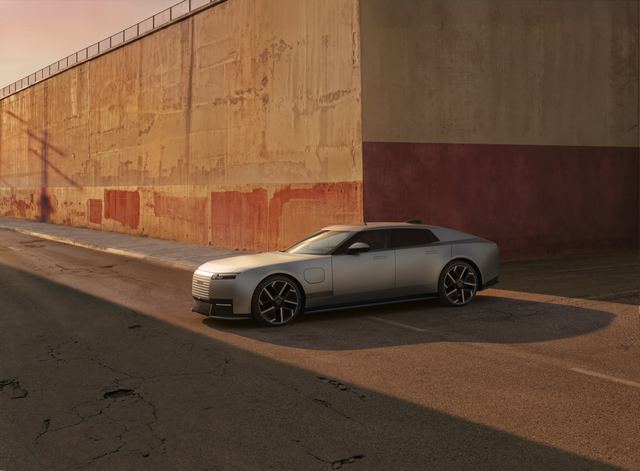 Objects of DesireLess parked than crouched: the electric Jaguar and the new supercarsJaguar’s Type 00 and Type 01, Ferrari’s first electric car and the record-breakers around them.